
Alright so now that you know what to do for the first 5 minutes on scene, it’s time to start addressing what to do after your initial patient contact. And if you don’t remember you can always go back and refresh yourself by reading Basic Necessities Part 1. This is where the two emergency assessment categories begin to deviate; in the secondary assessment. For a medical emergency, the secondary assessment is focused on asking additional clarifying questions to try and determine the route cause of the emergency. Because you will be operating in the field or in the back of your ambulance you don’t have access to fancy equipment to take xrays or MRIs, unless you were born with xray vision, you’ll have to rely on the answer to these questions. For a trauma emergency, the secondary assessment focuses more on evaluating the patient’s entire body rather than just their chief complaint. If you have ever been in a situation in which you were scared you probably noticed that your ability to remember all of the details of the event are unclear and you have a hard time focusing on things other than your racing heartbeat. Patients in traumatic situations are no different, therefore you will need to conduct a full physical assessment to make sure you treat all of the possible life threats present.
When trying to asking clarifying questions for a medical emergency there are two acronyms you can utilize; SAMPLE and OPQRST. SAMPLE questioning is a tool that can be used during the secondary assessment or the history taking portion of your assessment. Basically the answers to SAMPLE questions provide you with a rough background of what was happening to the patient when their emergency symptoms arose as well as any complications you should be aware of. SAMPLE stands for:
Signs and Symptoms: Typically when you are establishing the chief complaint during the primary assessment the patient will tell you the symptoms that they are experiencing. You can use this time during your secondary assessment to confirm the symptoms the patient expressed as well as determine if there are any other the symptoms the patient is experiencing. Although signs and symptoms sound similar there is an important distinction between the two terms. A sign is something you as a provider can see, feel, hear, or smell such as diaphoresis (sweating), an infectious smell originating from an old wound, or a stridulous sound as the patient takes a breath. A symptom is something the patient is experiencing that you as the provider might not be able to discern such as nausea, dizziness, or blurred vision. You can quite simply ask the patient what they are feeling to fulfill this question.
Allergies: This is becoming a more and more important question to ask in the prehospital field as hypersensitivities and allergies become increasingly more common in the general public. If a medication that typically resolves the emergency a patient is having, but instead causes an allergic reaction, the patient’s life can potentially be placed even more danger. It’s important before administering any medication to a patient that you make sure they are not allergic to it. It’s equally important that the next provider is aware of the allergies to make sure they don’t put the patient in a compromised state under their care. The patient so long as they are conscious should be to provide allergen information to you, however you should be cautious if giving medication to someone with no emergency exposure. They might have an allergy to a medication and not be aware of it.
Pertinent Medical History: This question helps to establish what might be causing the emergency. For example you come across a patient experiencing chest pain; is it gastroesophageal reflux (aka acid reflux)? Is it pneumothorax (aka air in the chest)? Was it brought about by anxiety? Or is it actually a cardiac problem? A person’s medical history helps you the provider kind of piece together the back story as to why the emergency might be happening which can cue you in on things you might have to watch out for throughout patient contact. With prehospital care it’s important that you gather the patient’s personal medical history prior to their familial history. Although genetics can play a role in the development of some emergencies, your patient contact time is typically limited and you need to worry about the patient in front of you rather than taking a trip through history.
Last Oral Intake: This line of questioning pertains to both solid and liquid intake. With the rise of diabetes throughout the general public, it’s important to consider how a patient’s glucose level could be impacting their emergency. When a person has a low blood glucose level (aka hypoglycemia) they can experience symptoms such as altered mental status, a weak yet rapid pulse, and pale, cool, and moist skin. Patients with high blood glucose levels (aka hyperglycemia) can experience intense thirst, increasing hunger sensation, a sweet or fruity breath odor, as well as an altered mental status. These symptoms coincide with many other emergencies so it’s important to consider if a patient’s emergency can be corrected with something as simple as eating food. When dealing with patient’s with a substance abuse history, you may want to ask them about the last time they ingested pills or alcohol. This can help you determine if their affect is baseline or brought about by an external source. This line of questioning can also help you identify dehydration crises which can be quite common in the summer.
Events Prior to the Emergency: When it comes to determining what happened, trying to figure out what brought about the emergency symptoms can be helpful. Did the patient participate an extraneous activity they weren’t accustomed to? Were they exposed to someone with symptoms? Was the environment they were in dangerous for their health? These type of questions can help you put together the signs and symptoms the patient is experiencing with what the cause of the emergency might actually be. Unfortunately the way a person feels can be pretty universal with many different emergencies so understanding what they were doing before hand can help point you to the bodily system that’s not functioning properly.
OPQRST questioning helps you understand more about what the patient might be feeling. Like I said before, functioning in the prehospital setting severely limits your diagnostic ability. The day they create handheld xrays or MRIs, the entire field of prehospital care will improve dramatically. However until then we need to try and pin point the cause of the emergency by what and how the patient is feeling. OPQRST questioning can help you determine one type of chest pain as an example from another. OPQRST stands for:
Onset: This category is very similar to the events prior to the emergency question for this also focuses on what the patient was doing when the emergency symptoms started. However instead of just asking the activity they were doing, you can dig a little deeper and ask questions about how long the symptoms have been going on for. You can also try and determine if the patient has experienced these symptoms before and what caused the symptoms at that point in time.
Provocation: In trying to distinguish one emergency from another asking the patient what makes the pain better or worse can be helpful. Once again consider the patient having chest pain. Typically if the problem is cardiac in nature, re-positioning the patient tends to have no change in the pain. If there is a shift in the pain then perhaps the chest pain is musculoskeletal in nature. This is not definitive, but rather a skill to keep in the back of your mind when evaluating a patient. If it barks like a dog, then it’s likely a dog. Another reason to ask if anything improves the symptoms is to provide transport to your patient in the most comfortable and safe way possible. Elevating the legs reduces the pain? Prop some pillows under their legs. Laying in the recovery position relieves the discomfort? Secure them on the stretcher in that position rather than supine. Our goals are to improve the patient’s symptoms as best we can before they reach the location where they can receive definitive care.
Quality: In my personal experience this is probably the most difficult question for patients to answer. Your objective when asking questions about quality is to get the patient to describe the pain they are feeling. A stabbing pain in the abdomen can mean something different than a dull ache in the same location. Typically it’s best if the patient can describe the pain in their own words however if needed you can give some prompting; is it a stabbing, tearing, crushing, dull, or an achy sensation? You also want to figure out if the pain they are feeling has been consistent since onset or if it seems to come and go in waves. If abdominal pain comes and goes in waves the patient could perhaps have kidney stones, but if it’s been consistent since onset perhaps the patient has appendicitis.
Region/Radiation: This is focusing on where the symptoms are located and whether or not they travel anywhere. Knowing where the pain is coming from greatly helps when trying to identify what system of the body is involved in the emergency and helps you determine the potential treatment needed for your patient. Knowing if the pain radiates from one location to another helps to further narrow down the system you need to focus on. Textbook examples of radiating pain include left arm pain during a myocardial infarction and back pain that radiates to the groin during the passing of kidney stones.
Severity: If you were to ever ask me what the most useless question to ask patients was, asking them about the severity of their pain would probably be it. People who are calling to be taken to the hospital very rarely are doing it when they can drive themselves there. Therefore when you ask them to rate their pain on a scale from 1 to 10 with 10 being the worse pain they have ever felt, of course they are going to say a number on the high end of the spectrum. I have had a patient tell me before they were having 10/10 pain while causally scrolling through their phone in the back of the ambulance with no clear signs of distress. However one of the few occasions when this question is particularly helpful is when you are trying to identify a trend in their symptoms. Before administering a medication you were at a 10/10 pain level, where are you now? Your pain was a 3/10 when we first came in contact with you, has that pain level changed at all since then? It can be used to help you determine if your patient is improving under your care or if they are declining and you need to think of another intervention.
Time: This line of questioning helps us providers identify when the onset of symptoms was. Determining how long a patient has been experiencing the pain they are in can help determine the mechanism or illness behind the emergency. Pain that has just started means something different than a pain that has been continuing for days. The other portion of this category of questions is to determine if the pain has been intermittent since onset or if it has been constant. As discussed previously, the indications of intermittent pain are different from those of a persistent pain.

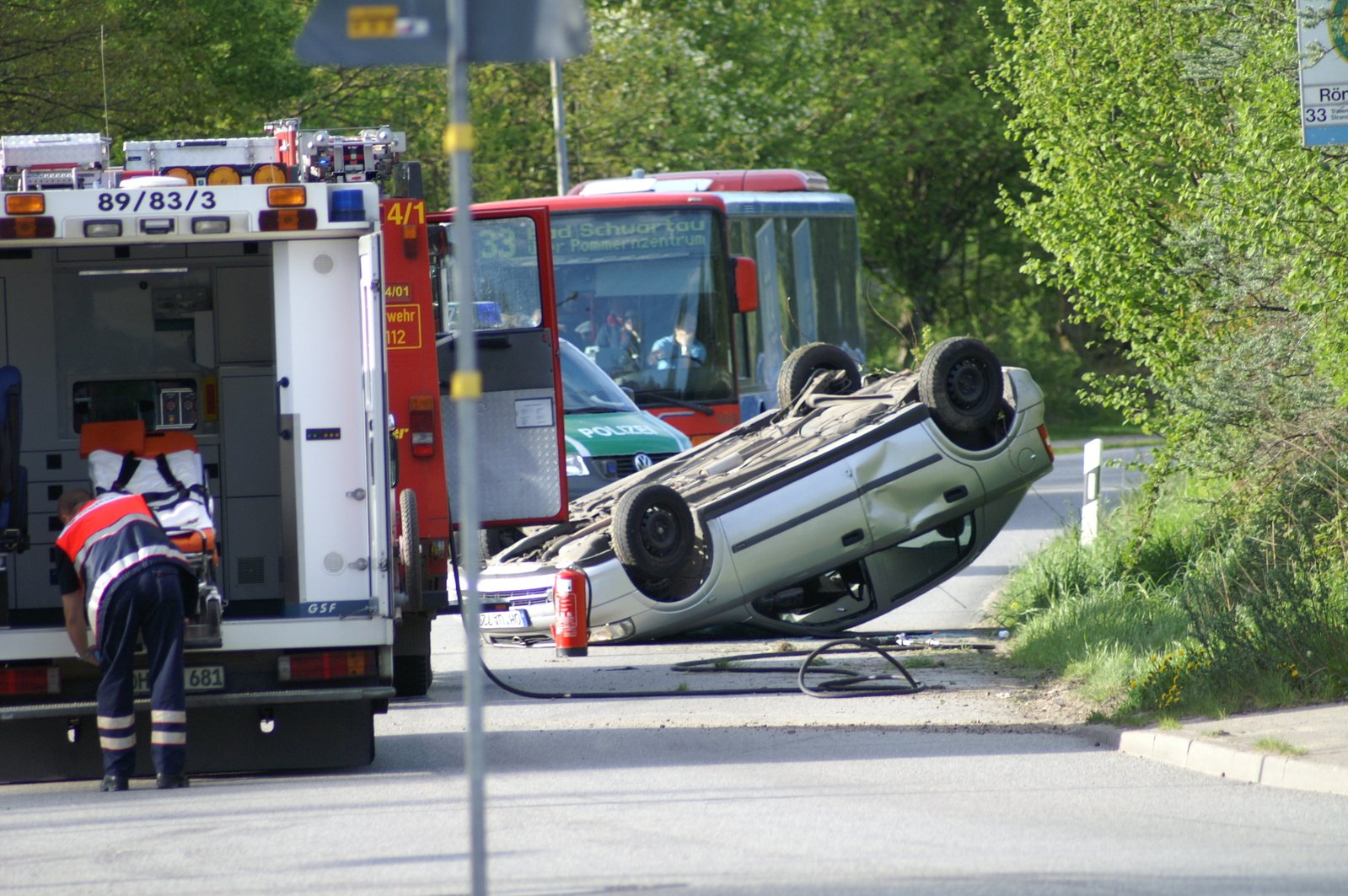
By asking these questions you’ll be able to gather enough information to make an educated guess about what medical emergency your patient is having. In doing so, you can provide an accurate report en-route to the hospital so they can have the necessary resources available upon your arrival. It will also be beneficial in transferring care of your patient to the next provider. Although you can ask a lot of these questions to a patient who is experiencing a trauma emergency, the focus of a trauma assessment is more hands on. Earlier I mentioned that patients sometimes have a difficult time identifying their complaints. When a person is in a scary or life threatening situation their sympathetic nervous system and initiates what’s known as the “fight or flight” response. A lot of people report that when they are under the effects of this response they have difficulty remembering the details of the event they there just involved in. Also, a lot of the mechanisms in traumatic emergencies happen in a very short period of time, such as car accidents, which makes it difficult to remember every detail since the average short term memory can only retain 7 items. Because of this, for traumatic emergencies EMTs will perform a head to toe assessment looking for DCAP-BTLS which surprisingly is another acronym that stands for:
Deformity: is anything out of place or different from normal? Sometimes you can clearly see deformities while other times you can palpate them.
Contusions: is there any bruising? This can be indicative of internal damage that you might not be able to feel through palpation or may be even internal bleeding.
Abrasions: are there any scratches? Abrasions can vary in severity. Some can be as minor as a scraped knee while others might expose bone.
Penetrations: has anything punctured through the skin? Penetrations are items that have entered the body, but might not have exited the body while a perforation has both.
Burns: there are typical burns caused by fire contact with the skin, but there are also corrosive agents that can cause burns when in contact with the skin as well.
Tenderness: is there discomfort when the effected area is touched? This does not refer to pain at rest, it is pain brought about during palpation.
Lacerations: are there any cuts? Cuts can vary by severity as well. Some can be brought about by paper whiles others by knives.
Swelling: does anything seem larger than it should? Swelling is something you can typically notice by comparing to the unaffected limb. You can also palpate some swelling because the skin feels tighter than it should.

As you’re performing the hands on head to toe assessment you are also going to want to take note of any drainage coming from the ears, nose, and mouth of the patient. You will want to access the patient’s eyes as well to determine if they are reacting in a typical or atypical manner. This can help you recognize a potential trauma to the brain or if the patient is on certain kinds of drugs. Also look for any jugular vein distention and if the trachea is mid-line in the neck because this will give you information about how the chest cavity is functioning. When assessing the patient’s extremities be sure to perform a quick pulse, motor, sensory (PMS) check by feeling for equal pulses, having the patient wiggle their fingers and toes, and asking them if the sensation of touch differs between the two comparable limbs. This helps to determine if there are any neurological, cardiovascular, or musculoskeletal problems. When performing a trauma assessment you want to be as thorough as possible so that the emergency staff can plan accordingly and correct any serious life-threatening issues the patient may be experiencing.
“I never learn anything talking. I only learn things when I ask questions.” – Lou Holtz
I considered putting the history taking and reassessment information in this post as well, but given how lengthy it is I think I’ll make those two topics their own section. This post is not all inclusive for a secondary assessment, but it lays out out enough information for a solid assessment foundation. Each assessment will be different in the field depending on a variety of factors, but gathering background information and as much information about the emergency the patient is experiencing as possible should find it’s way into every assessment you do. As always, any questions or concerns do not hesitate to contact me!
 Adventures into EMS